
 Nintendo Switch
Review key provided by Nintendo Brazil at the original launch.
 Review
Jump to chapter
 : review on Nintendo Switch and Nintendo Switch 2
The sky opened. The kingdom wept. The legend begins again.
 Review by Menino Neitam
 Nintendo Switch
Review key provided by Nintendo Brazil at the original launch.
Nintendo Switch 2 EditionReview key provided by Nintendo Brazil. Free upgrade for Nintendo Switch Online + Expansion Pack members.
Reviewed on both versions by Menino Neitam
Each book opens a part of this review. Hover, tap and dive in.
2017 · the awakening that changed everything
On March 3, 2017, Breath of the Wild launched alongside the Nintendo Switch and rewrote what an open world could be. Link woke from a hundred-year slumber in the Shrine of Resurrection, with no memory, the Sheikah Slate in hand and a Hyrule devastated by Calamity Ganon.
If you could see it, you could go there. Climb any mountain, glide from any tower, solve a problem ten different ways thanks to the game’s physics and chemistry. The four Divine Beasts, the Champions and Princess Zelda holding evil inside the castle for a century. All of that is the foundation Tears of the Kingdom turns upside down.
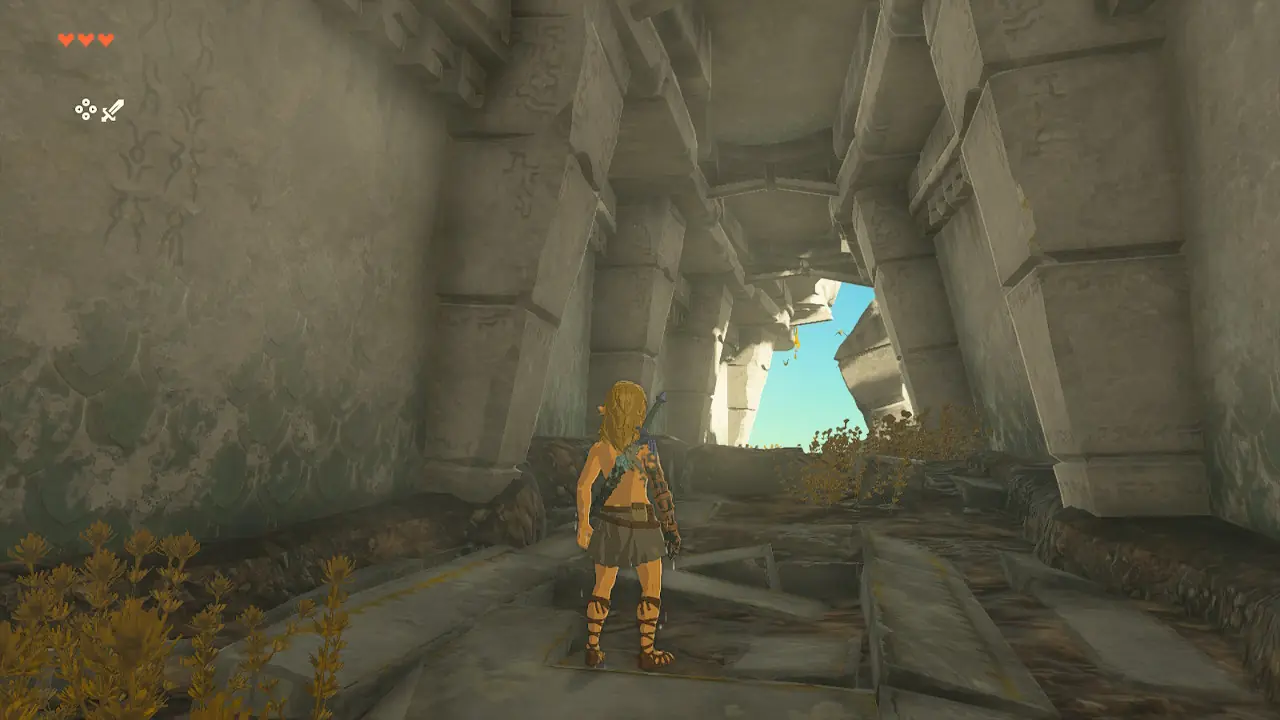
I spent a good part of the adventure thinking about that question and came to the conclusion that it is not as simple as it seems.
Tears of the Kingdom is bigger. It has more systems, more possibilities, more areas, more variety of bosses and much more powerful tools.
In many ways, I consider it a clear evolution.
But Breath of the Wild has something no sequel could ever fully repeat: discovering that Hyrule for the first time.
One game opened the door.
The other decided to find out how many things could be built once it was already open.
I prefer to see them as complementary experiences. Breath of the Wild revolutionized the structure. Tears of the Kingdom took that structure to a point that seemed too absurd to work.
Revisiting Tears of the Kingdom also reignited a question that will probably never have a definitive answer.
Which of the two is better?
Breath of the Wild is simpler and maybe more elegant. There is something special about its solitude and about the way that world was discovered for the first time.
Tears of the Kingdom is almost the opposite.
It is maximalist.
It wants to stack systems on top of systems, three map layers, building, fusing, companions, more enemies, more stories and more possibilities.
I don’t think one erases the other.
In fact, the contrast makes both of them better.
But if the question is which one offers the most impressive sandbox, my choice is Tears of the Kingdom.
Few games have given the player so many powerful tools and had the courage not to put dozens of barriers in place to keep them from abusing them.
The seal breaks beneath the castle
When I found out that Tears of the Kingdom would reuse Breath of the Wild’s Hyrule, I confess that was the question that bothered me most. Breath of the Wild had worked so well precisely because leaving the Great Plateau and seeing that world for the first time was an experience that is hard to repeat. After dozens or hundreds of hours getting to know mountains, villages and roads, how could Nintendo put the player in that same place and expect curiosity to appear again? Tears of the Kingdom’s answer is not simply making the map bigger. It is completely changing the way we think about it. It took only a few hours for me to stop seeing that Hyrule as a reused setting. Sky, surface and depths start talking to each other, new paths appear where they didn’t exist before and familiar places carry the consequences of earlier events. It is familiar, but it rarely feels frozen in time.
The sequel starts in a much more direct way than Breath of the Wild. Link and Zelda investigate something strange in the depths of Hyrule and quickly realize they have found a problem too big to stay buried. I won’t go much further than that, because part of the campaign’s strength lies precisely in discovering what happened and where certain people ended up. What matters is that there is a greater sense of urgency. Breath of the Wild had a very particular melancholy, almost as if Link were walking over the ruins of a tragedy that had already ended. Tears of the Kingdom takes place during a new crisis. People are working, investigating, travelling and trying to understand what has changed around them. Hyrule feels busier.
Revisiting familiar places was one of the parts I liked most. At first it is natural to try to remember how a certain region worked before. But the game uses exactly that memory against you. Villages face new problems, characters have moved on with their lives and entire regions have been affected by unexpected phenomena. There is none of that feeling that everyone stayed frozen waiting for Link to come back.
Some characters return more mature and with different responsibilities. This is especially noticeable among those who had already helped Link in Breath of the Wild. Instead of serving only as secondary figures tied to the old Champions, they now take on much more active roles. Their relationship with Link also gains an interesting layer, because there is history between them. You are not meeting everyone for the first time. There is a familiarity the game doesn’t always need to explain with long dialogues.
The narrative still uses a very free structure, so it is perfectly possible to find important parts of the story in a different order than intended. That offers freedom, but it also creates a problem: certain revelations can appear before other scenes that still treat that information as a mystery. It is a price Tears of the Kingdom pays for letting the player go in practically any direction. It didn’t ruin the story for me, but it is an area where open-world freedom and narrative intent don’t always work perfectly together.
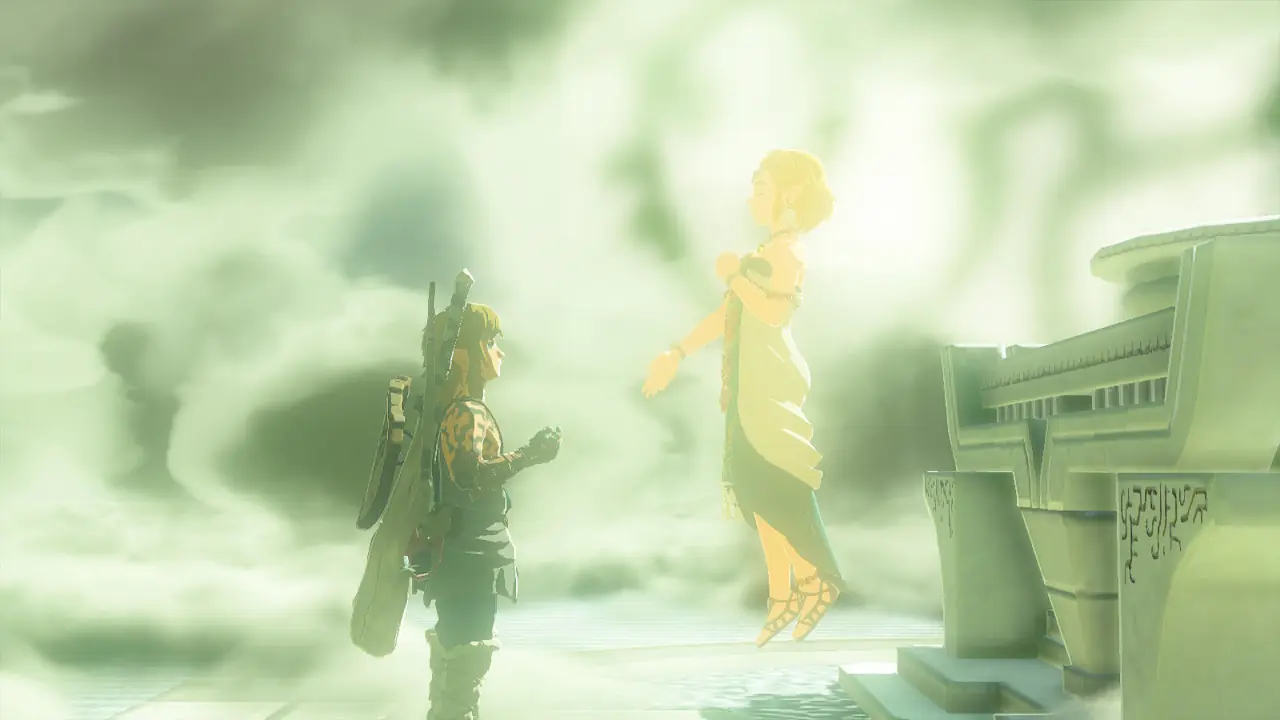
“The seal is broken. The Demon King breathes again.”
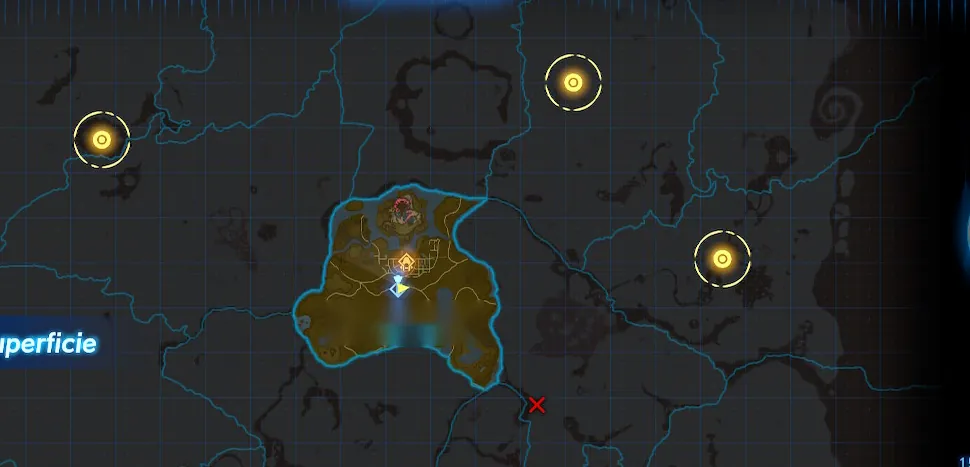
From Lookout Landing, Purah points to the four corners of Hyrule where strange phenomena gather. Each region is its own story, with a people, a leader and a fitting villain, and all of them point to the same place.
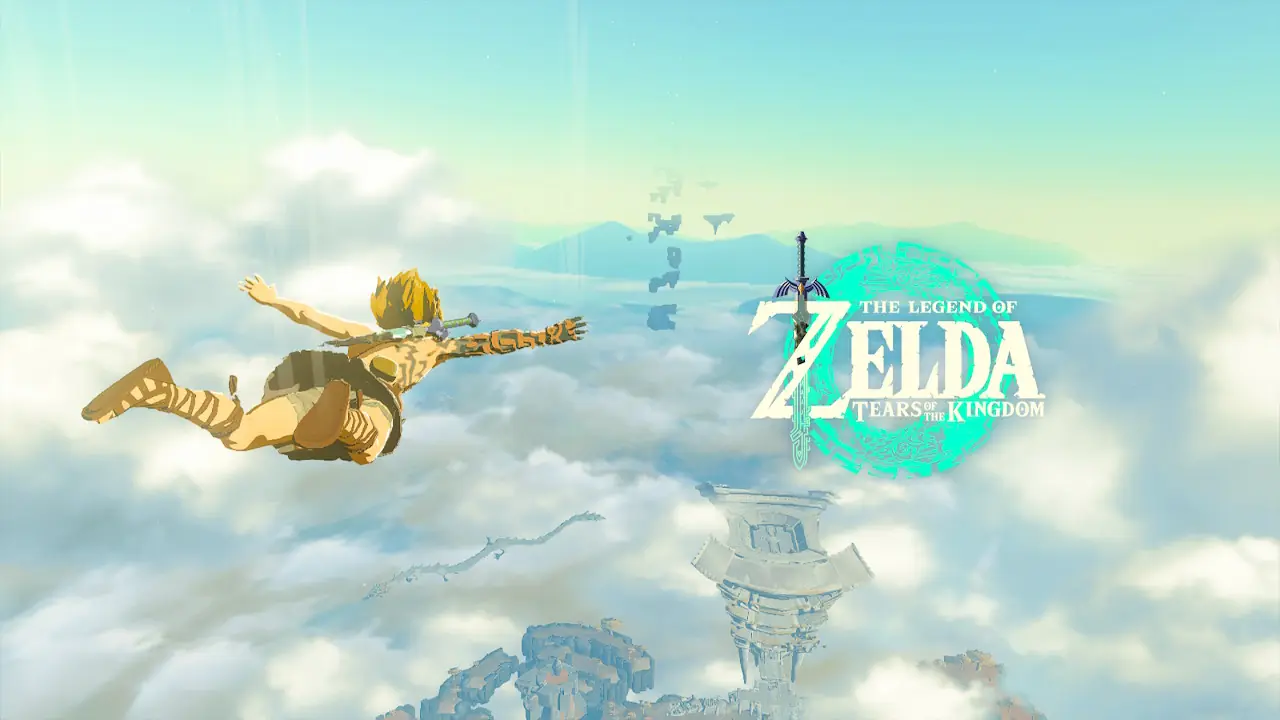
Build. Fuse. Ascend.

Breath of the Wild asked “how will you get there?”. Tears of the Kingdom asks “what will you build to get there?”. Planks become rafts, fans become engines, wheels become cars and a rock tied to a stick becomes a hammer. The game rarely says no.
It is when the new powers come into play that Tears of the Kingdom really shows its identity. Breath of the Wild already let you solve problems in unexpected ways, but here Nintendo seems to have decided to drop any fear of the player breaking its own puzzles.
Ultrahand is the ability that best represents that philosophy. Link can move objects and connect them, turning pieces of wood, wheels, fans, platforms and Zonai devices into something completely different. It can be an extremely simple raft or an absurd machine that probably should never work. And the most impressive thing is that it almost always does.
That freedom creates genuinely personal moments. I could look at a cliff and build a bridge. Someone else could improvise a vehicle. Someone more patient might find an elegant solution using the scenery. And there is always that fourth person who will connect ten random objects and discover, by accident, that it also solves the problem.
It is rare for a game to let you do something completely stupid and, instead of blocking the attempt, simply answer: all right, let’s see if it works.
Fuse also changes your relationship with weapons and materials a lot. Durability is still there, something that will certainly keep dividing opinions, but now there is much more reason to experiment. A simple sword can take a monster part and become much more powerful. Arrows can be combined with different materials to produce specific effects. Shields accept objects that look completely absurd until you find some use for them.
That makes practically any reward potentially valuable. In Breath of the Wild, there were moments when I hoarded materials without thinking much about them. Here, it is common to look at a part dropped by an enemy and immediately imagine where it could be used.
And some combinations are ugly. Very ugly.
But that lack of visual elegance is part of the fun. Tears of the Kingdom often prefers being fun to being pretty.
Ascend is probably the least impressive ability in a demo, but it became one of the ones I used most. Being able to pass through a surface above Link completely changes exploration. A cave stops being just an entrance and an exit. Certain buildings gain routes that were probably not the ones the puzzle imagined. After a few hours, I started looking at ceilings the same way I used to look at climbable walls.
Recall works with a different logic. Instead of moving something directly, it lets an object retrace its own path. It is great for sending projectiles back, creating improvised platforms and turning objects that fell from the sky into elevators to the islands above.
The combination of these abilities creates something rare. The game doesn’t just hand you tools. It trains the player to look at the world in another way.
Grab, rotate and glue objects. The foundation of every build: bridges, vehicles, traps, absurd machines.
Combine materials with weapons, shields and arrows. Monster horns, mushrooms, rockets: everything becomes gear.
Pass through ceilings and rise to the surface above. Caves and cliffs gain shortcuts nobody expected.
Rewind an object’s movement in time. Falling rocks become elevators; debris rides back up to the sky.
Saves your creations and rebuilds them in seconds. On Switch 2 you can even share designs via QR code.
One of the most common criticisms of Breath of the Wild was the Divine Beasts. They were clever in terms of design, but too similar visually.
Tears of the Kingdom improves that aspect a lot.
The big temples still use a free structure, so no one should expect exactly the classic model of keys, doors and specific items from older Zelda games. Even so, each one has its own atmosphere, its own mechanics and, above all, much more distinct bosses.
The path to these places also matters. In some cases, I consider the journey to the temple as memorable as the dungeon itself. The game creates a natural progression in which the region, the characters and the obstacles slowly lead Link to that big challenge.
The bosses are also a huge improvement. Instead of variations of the same visual idea, we find creatures with their own identity and battles that use elements specific to each region.
Finishing the campaign’s big chapters also unlocks allies who can follow Link and use special abilities. It is an idea that brings the adventure close to something almost like a small RPG party in certain battles.
It works especially well when there are lots of enemies on screen. Watching allies attack, distract creatures and use their own abilities makes some fights much more chaotic.
The execution, however, could be better. Triggering certain abilities depends on getting close to the characters, and in the middle of a hectic battle it is not always easy to select exactly what you wanted. At times I looked for a certain ally and he seemed to have decided to go sightseeing in some other corner of the arena.
It is a great mechanic with an interface that doesn’t always keep up with the idea.
Tears of the Kingdom is still a game where the main quest often loses to something shining on the horizon.
I would open the map planning to go straight to a region and, a few minutes later, I was inside a cave that had nothing to do with it. When I finally came out, I found a well. Then a side quest. Then some Korok needing help.
Before I knew it, an hour had passed and I wasn’t even close to where I first meant to go.
That ability to distract is one of the game’s greatest qualities because it rarely feels artificial. In many open worlds, the map needs dozens of icons to remind you there is content around. Tears of the Kingdom prefers to let you see something and get curious.
The side quests are also more interesting. There are small stories, strange characters and situations that help show Hyrule is an inhabited place, not simply a gigantic area built around the protagonist.

The most interesting thing about revisiting Tears of the Kingdom on better hardware is realizing that technology was never the main reason it is special.
What still impresses are the rules.
Ultrahand still lets you join objects and create machines that range from ingenious to complete disaster.
Fuse keeps turning monster parts, plants, rocks and practically anything into combat tools.
Recall still makes the player think about movement and time in a way few puzzles do.
Ascend is still that power that feels completely normal after dozens of hours, until you play something else and realize how much you miss going through a ceiling.
These are systems that haven’t aged, because they weren’t built around technological spectacle.
They were built around creativity.
Few games have made me open the map so many times to pick an objective and then completely ignore it.
That hasn’t changed.
In fact, being able to experience everything with better performance made it even easier to fall into that dangerous train of thought:
“I’ll just do this one shrine.”
Then a cave shows up.
Then a dragon.
Then something falls from the sky.
Then you notice there is something strange on a mountain miles away.
When you finally get back to the original quest, an hour has vanished.
That is the real loop of Tears of the Kingdom.
It’s not completing tasks.
It’s letting curiosity constantly get in the way of what you meant to do.
Ancient stone, gold and Zonai light
The resolution increase is also immediately noticeable. The presentation gains clarity, especially in TV mode, and that softer look of the original version practically disappears. Hyrule is still built with the same geometry, the same models and the same art, but now there is a definition that helps a lot in open regions.
This looks especially beautiful during the falls from the sky to the surface.
Tears of the Kingdom has some of Nintendo’s best moments of scale precisely when Link is high above the map and the player can see miles of terrain below. On Switch 2, the sharper image makes that transition even more impressive.
HDR also helps on compatible screens. The contrast between the bright regions of the skies and the darkness of the Depths becomes much more striking. Light sources in that underground world have more presence, while sunrises and sunsets make better use of the brightness range.
It doesn’t transform the art direction.
It enhances what was already there.
The soundtrack once again works with plenty of silence during exploration, something I consider essential for this style of Zelda. The world has enough sounds that constant music isn’t always necessary.
But Tears of the Kingdom lets the soundtrack have more presence when it really matters.
Temples, bosses, big events and specific moments of the story get much more striking compositions. There are themes that start quietly and keep adding elements as the player progresses through a given challenge.
The result is a soundtrack that manages to respect Breath of the Wild’s contemplative identity while delivering much grander moments.
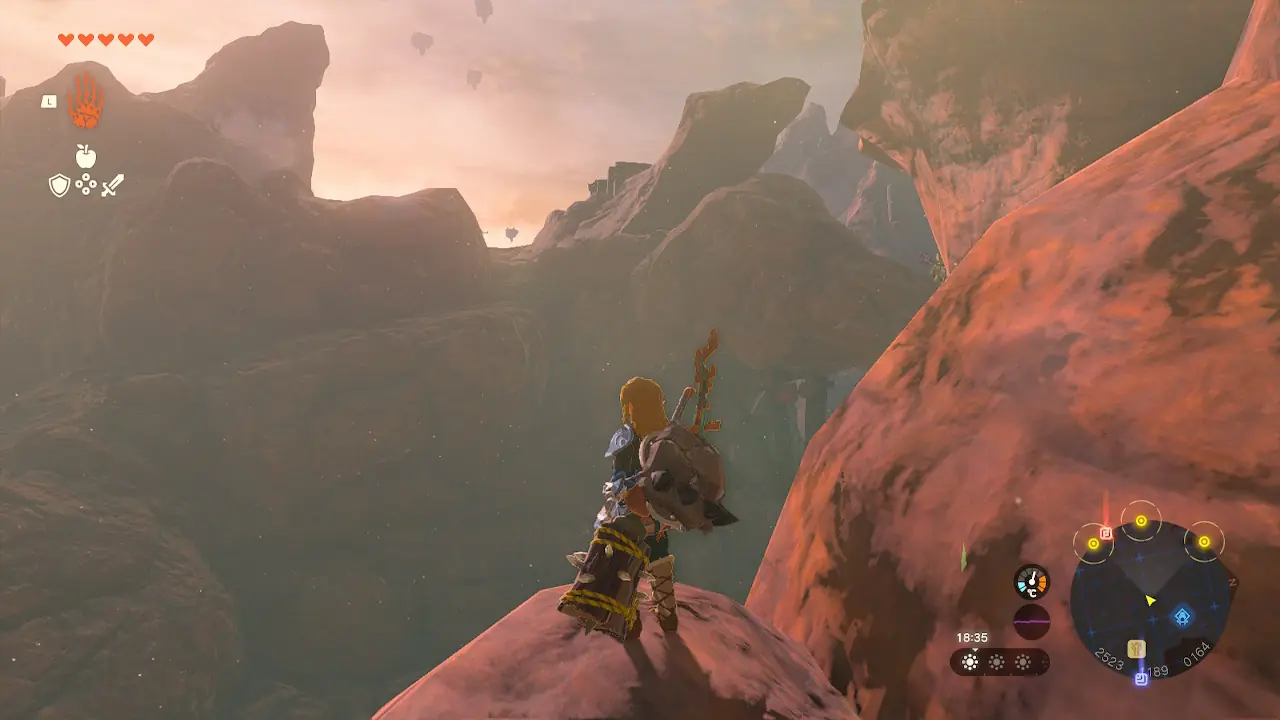
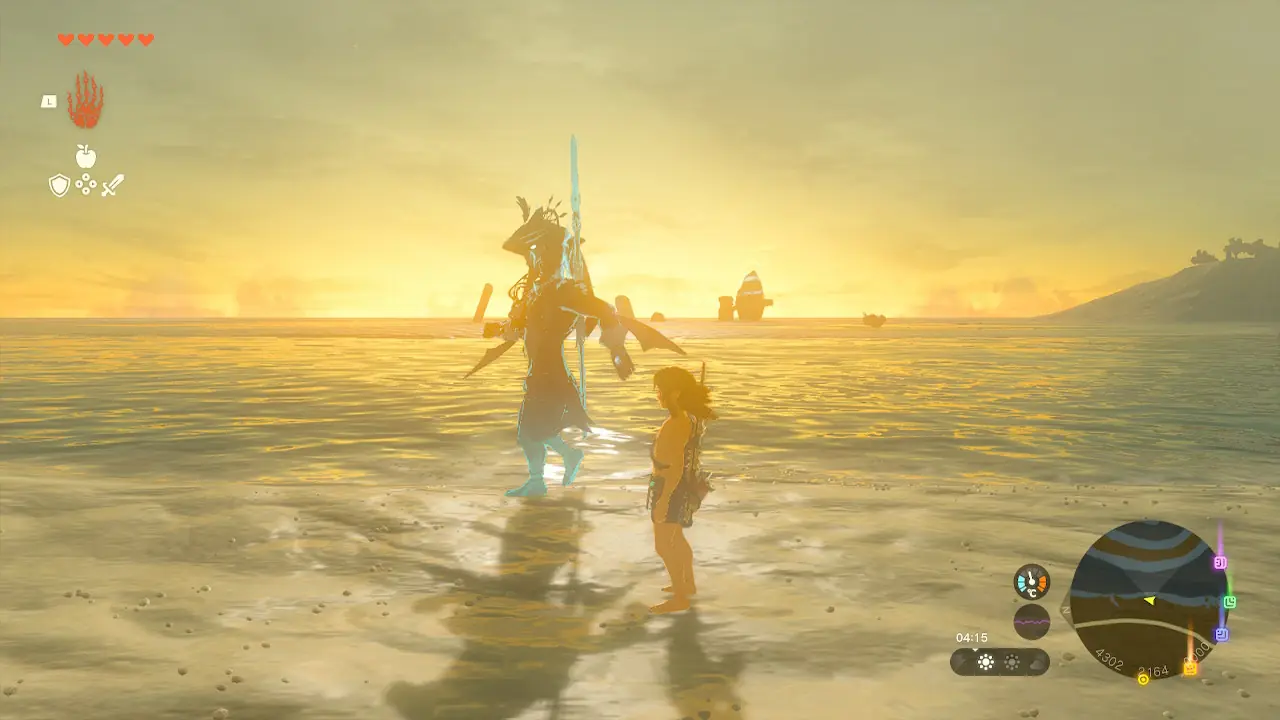
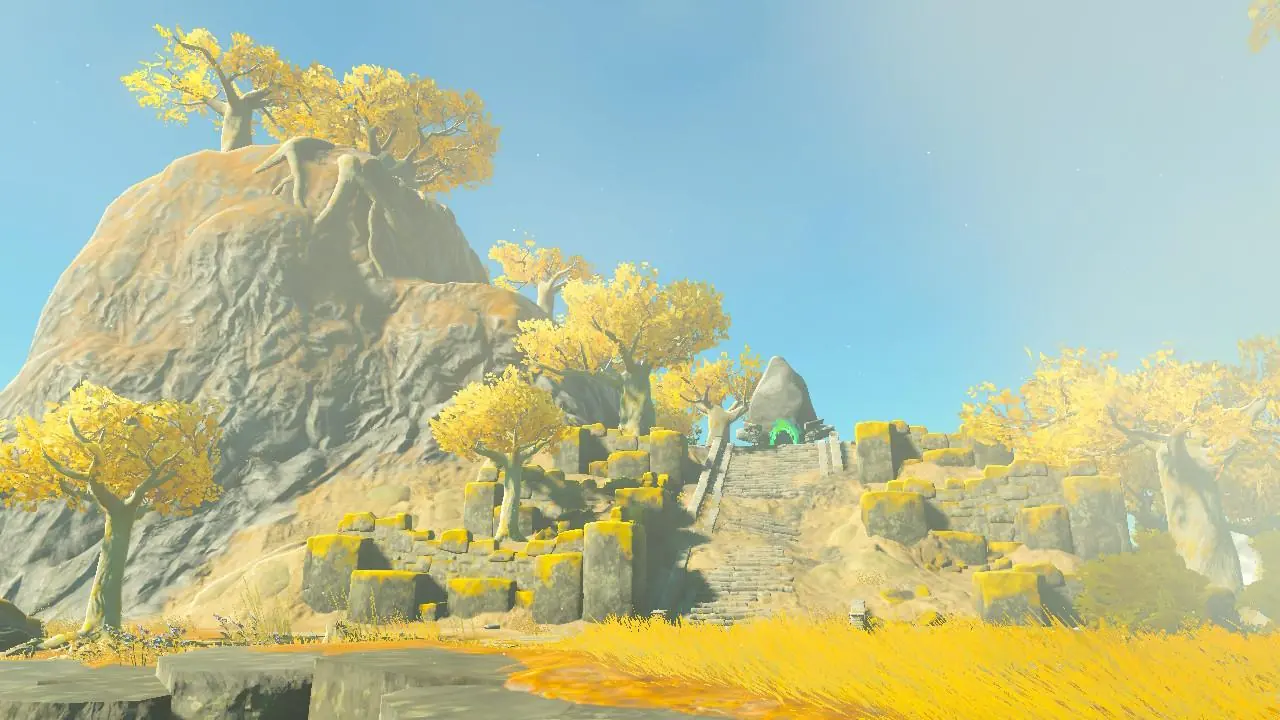
Ten faces of a legend
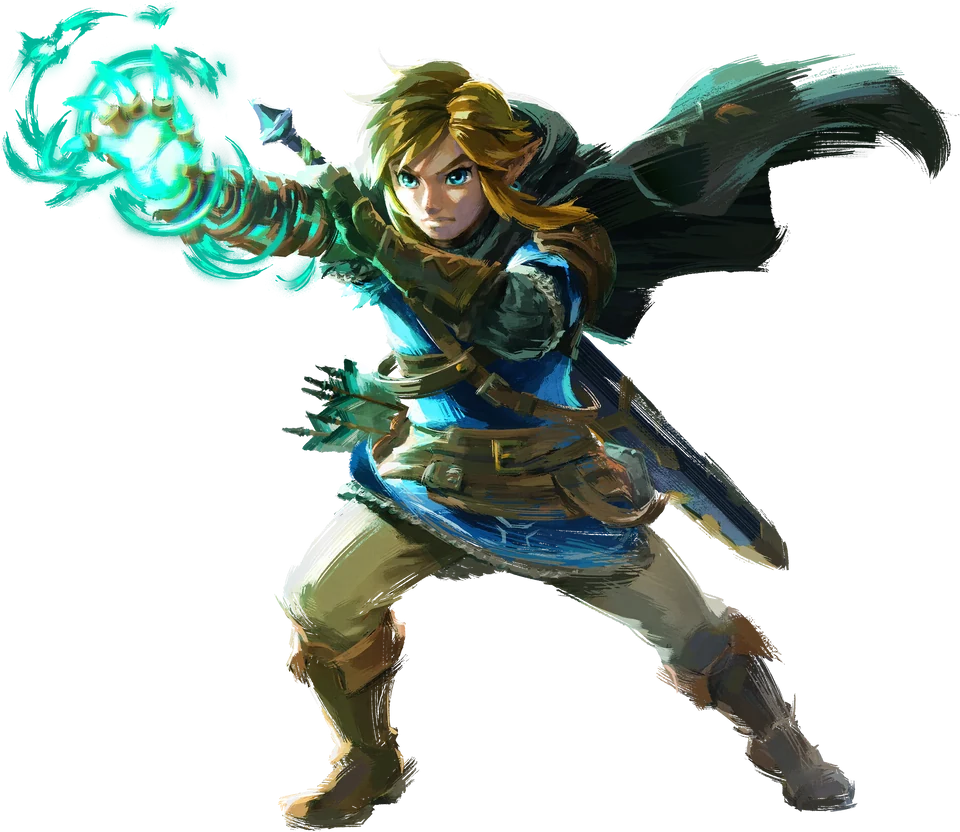
Wakes up in the Sky Islands with a new arm and the Master Sword in pieces. Everything he can do now goes through his hands and through the player’s imagination.

Researcher, leader and the heart of the mystery. Her absence drives the entire adventure, and every dragon’s tear reveals a piece of what happened to her.
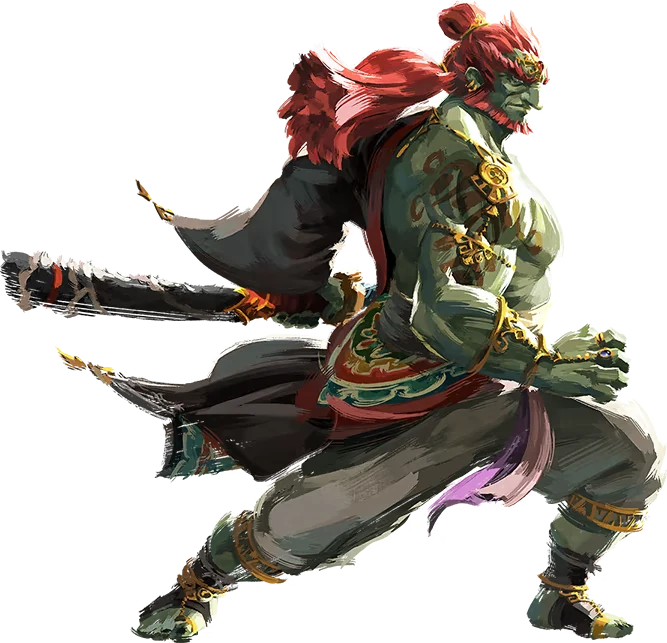
For the first time in the modern era, evil has a face, a voice and presence. Sealed for ages beneath Hyrule Castle, he only waits for the wrong hand in the wrong place.
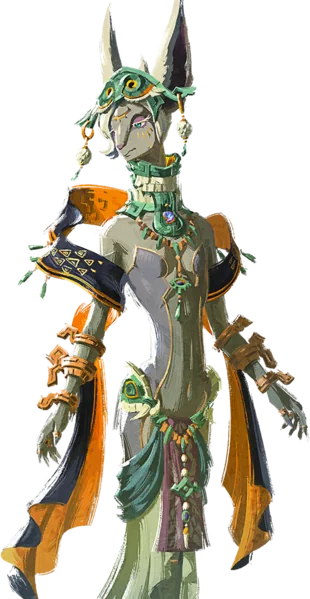
A Zonai, founder of the kingdom and owner of the arm that saves Link. A calm guide at the start of the journey, carrying an enormous weight.

A Hylian, Rauru’s partner and keeper of a power tied to time. One of the most important and most mysterious figures of the distant past.

Rauru’s sister, a scholar of Zonai technology. Her story connects Link’s builds to something far bigger than a simple vehicle.
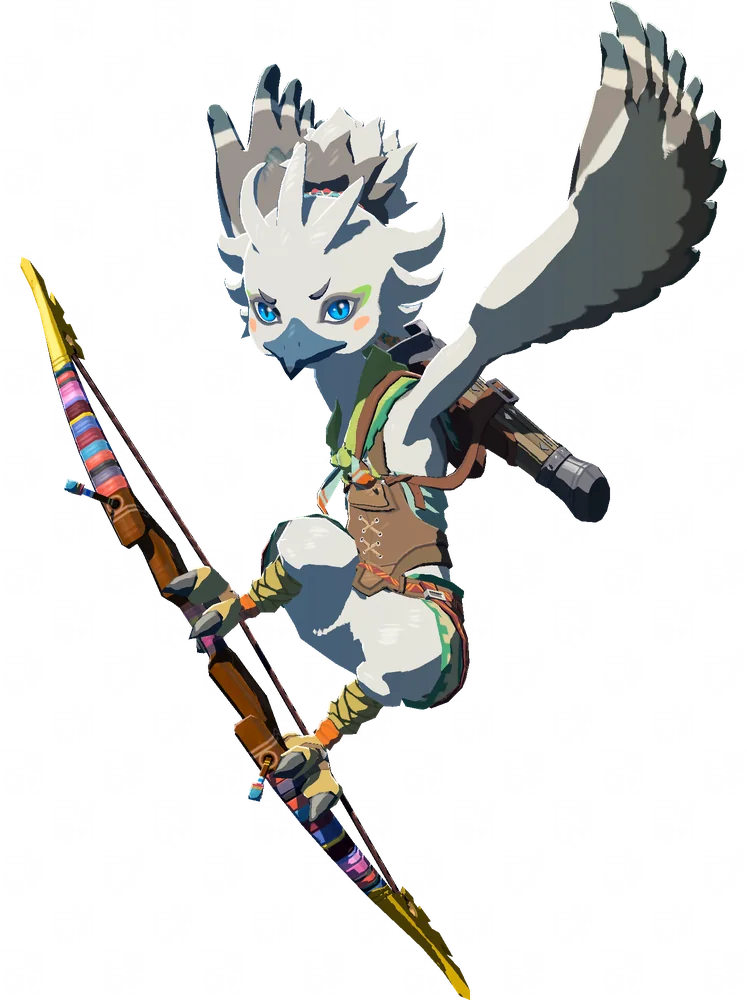
Young, impulsive and brave. He clears the way through the sky with gusts of wind and turns every jump into flight.
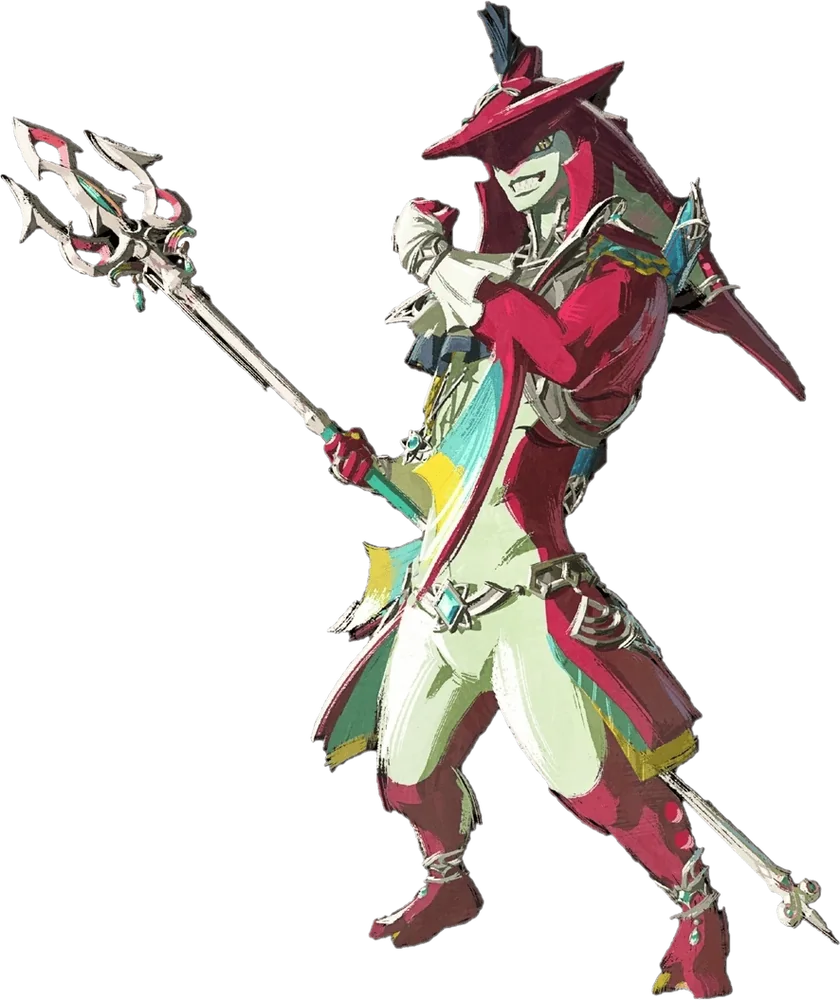
Charismatic as ever, now a king in the making. His water shield changes the way you fight and cross the Zora’s Domain.
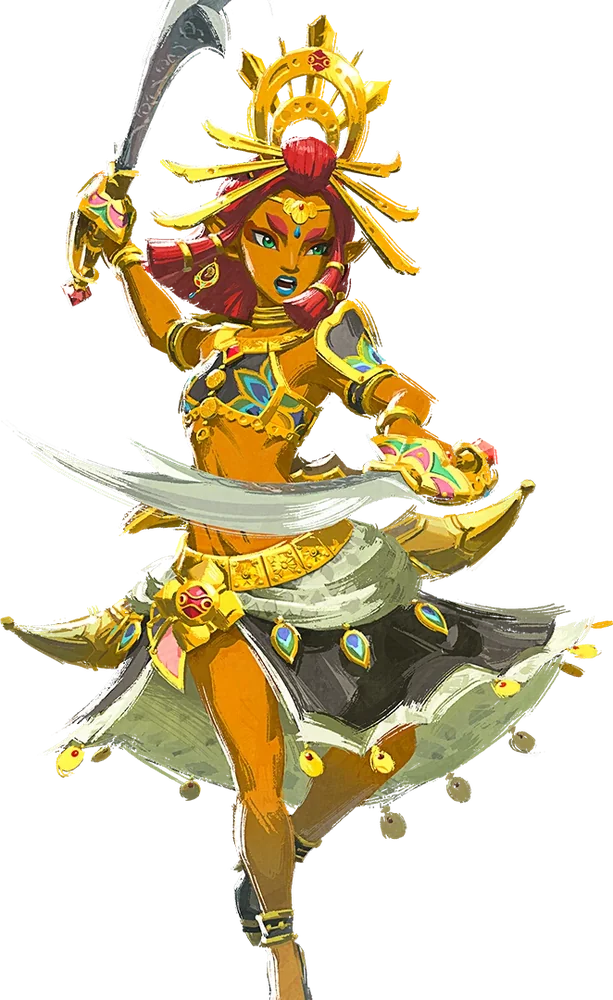
A young leader carrying the desert on her shoulders. Her lightning power is pure strategy in combat.

Timid on the outside, a giant on the inside. He rolls in flames across Death Mountain and breaks any wall in the way.
Sky, Surface and Depths
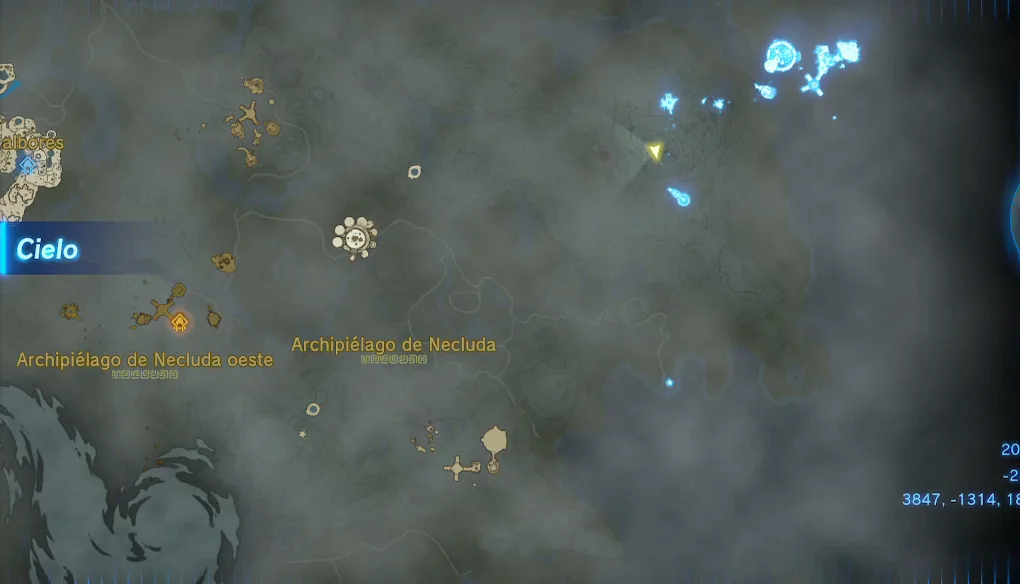
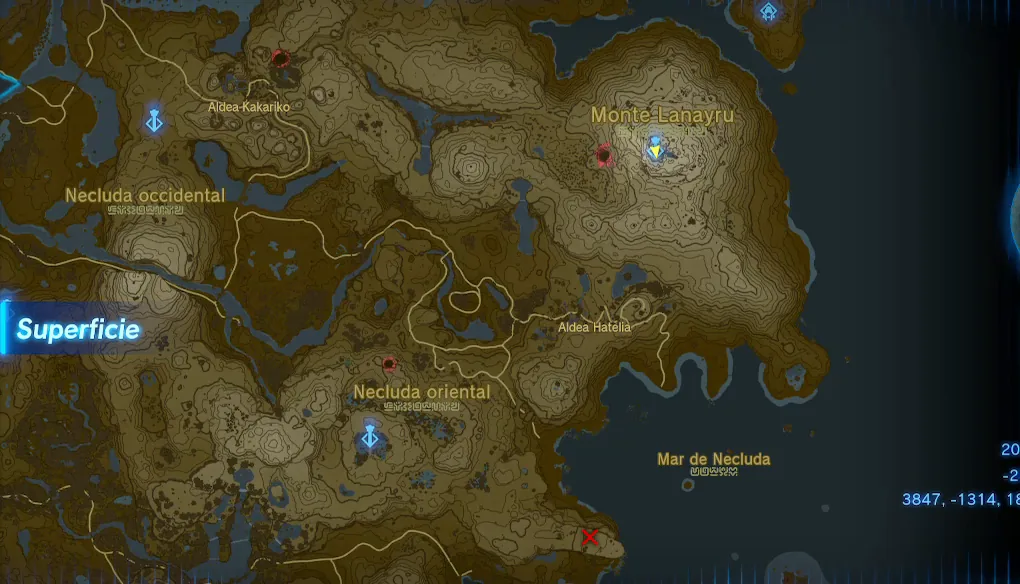

Floating archipelagos with Zonai ruins, shrines and the game’s purest sense of freedom: jumping and falling for miles down to the surface.
The Hyrule you know, transformed: rebuilt villages, caves, wells, gloom chasms and Skyview Towers that launch Link straight into the sky.
A dark underworld as large as the surface. Lightroots mirror the shrines above, and every one you light is a victory against the darkness.
The sky islands were the big highlight of the trailers and they really are an excellent addition. They work almost like small testing areas for the new mechanics. Many require finding a way to travel between distant points, using Zonai machines or carefully managing the available resources.
It is also hard to get tired of the feeling of simply jumping off an island and falling toward the surface. The scale becomes evident in those moments. You are miles above Hyrule, you can see entire regions and you can decide where you want to land.
Curiously, it was the Depths that surprised me most.
Going down into that dark map for the first time completely changes the mood of the game. The space is huge, visibility is minimal and enemies can deal a much more dangerous kind of damage. Exploration has to be done little by little, lighting the way and looking for points that can give you back some sense of direction.
On the surface I usually followed anything interesting on the horizon. Down there, I started thinking before every step forward.
That difference makes the world’s three layers much more than simply three stacked maps.
The surface still holds a large part of the campaign and of life in Hyrule. That is where the villages, characters, roads and many of the side stories are.
The sky works with a different logic. The islands usually present small challenges of navigation, engineering and physics.
The Depths do the opposite of all that. They are dark, dangerous and deliberately uncomfortable until the player manages to win points of light.
The Switch 2 update doesn’t add new regions to any of these areas.
But it improves the way each one is presented.
Resolution helps you read the scenery in the sky. HDR gives more impact to the underground lighting. The higher frame rate makes the surface much more pleasant during fast travel across it.
The result is that the differences between the three worlds become even clearer.
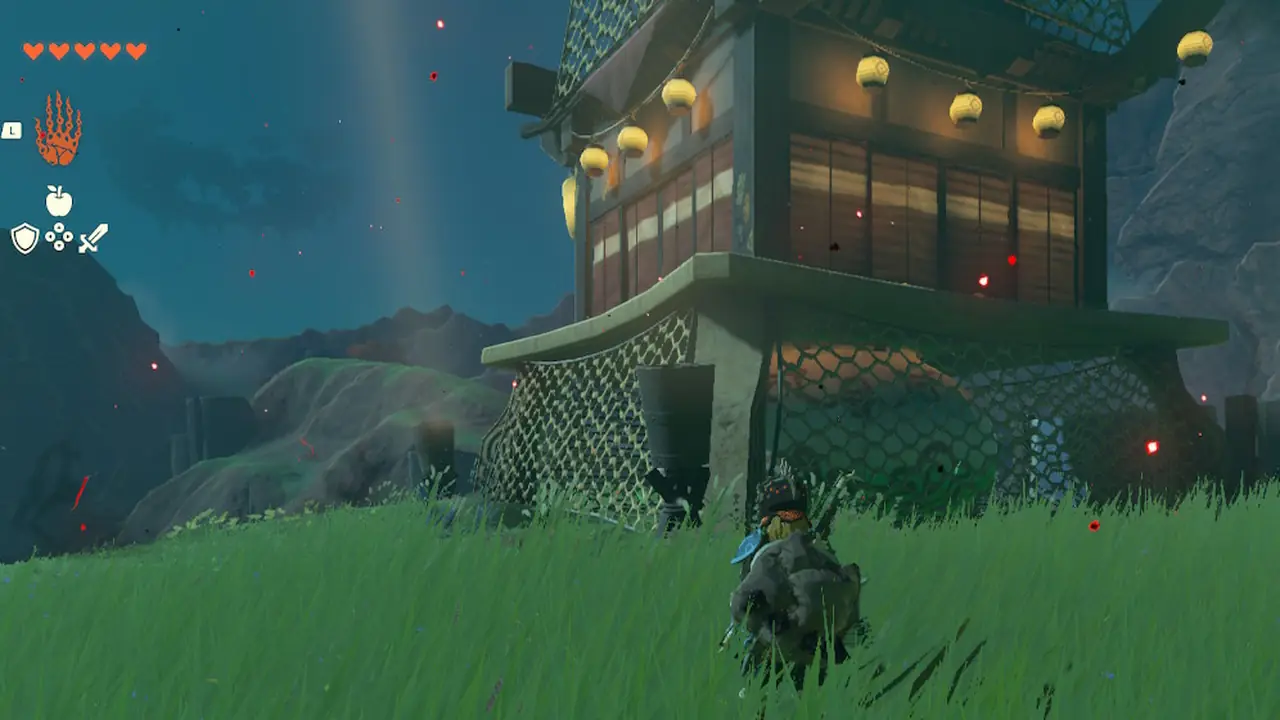
One legend, two consoles
SwitchSwitch 2Approximate figures, per Nintendo and published technical analyses. The Switch 2 Edition upgrade is paid, but free for Nintendo Switch Online + Expansion Pack members.
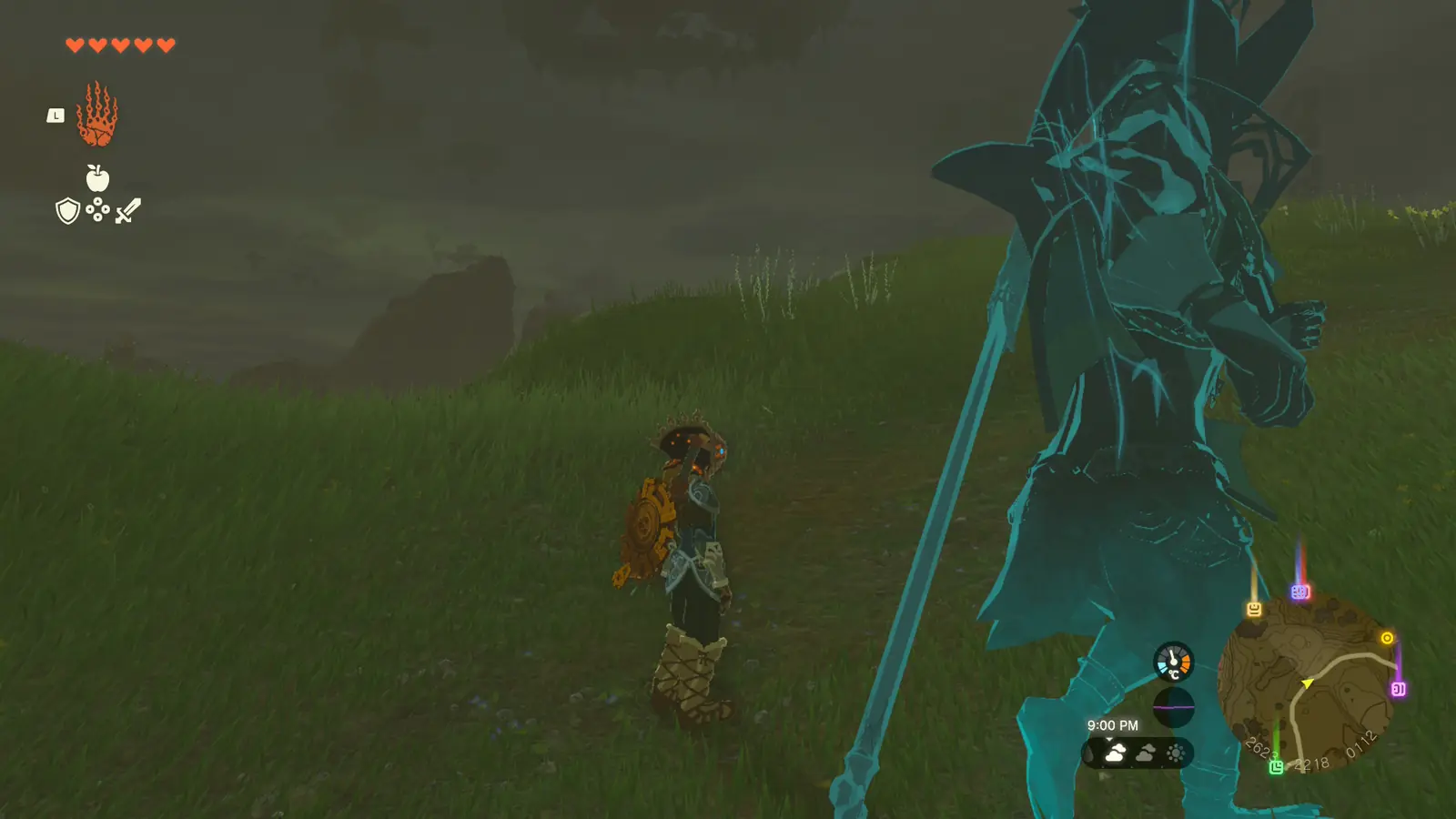
Technically, Tears of the Kingdom is something hard to comprehend.
We are talking about a Nintendo Switch running a gigantic world in which objects can be connected, moved, launched and have their movements reversed while physics systems keep working around them. Link can leave the depths, reach the surface and eventually get to the skies with an impressive sense of continuity.
Considering the hardware, it is an absurd achievement.
That doesn’t mean everything works perfectly. The resolution is low by today’s standards and there are performance drops, mainly in situations with lots of effects, objects or certain abilities being used at the same time. Some regions also push the console harder than others.
I noticed those drops.
But I was much more impressed by what the Switch managed to keep running than annoyed by the moments when it couldn’t.
The art direction also helps a lot. Tears of the Kingdom doesn’t need to chase realism to be beautiful. The use of color, lighting, vegetation and scene composition creates images that remain excellent even when the resolution can’t keep up with more powerful consoles.
Tears of the Kingdom was always a bigger game than the console it was born on. I don’t say that as a criticism of the original Nintendo Switch. In fact, managing to put an experience of this complexity on that hardware was one of the most impressive things Nintendo did during the whole generation. But a few minutes playing the Nintendo Switch 2 Edition are enough to realize there was much more hidden inside Hyrule than the first machine could comfortably present. The difference isn’t in a completely redone texture or in a new lighting system that turns everything into another game. It is something more basic and, at the same time, much more important: Tears of the Kingdom now moves the way its freedom always seemed to ask for.
Reaching 60 frames per second changes the experience a lot. Not only because movements look smoother, but because practically everything responds with a greater sense of immediacy. Turning the camera while Link crosses a village, diving off a sky island, entering combat or driving some monstrosity made with Ultrahand simply feels better. After a few hours with this version, going back to the original edition makes the difference seem bigger than I expected.
And maybe that is the greatest quality of this update. It doesn’t try to convince anyone that Tears of the Kingdom needed to be rebuilt. It didn’t.
It just needed room to breathe.
Not every consequence of the higher resolution is positive.
Some textures that looked perfectly fine in a less defined image reveal their simplicity when seen much more sharply. Certain scenery elements also keep popping up as the player gets closer, so you can notice pop-in of smaller objects even in this edition.
That happens because we are looking at an update, not a remake.
The world was not rebuilt for the new hardware.
And, honestly, I prefer that to an attempt to completely change an art direction that already worked very well.
Breath of the Wild also gets much better on new hardware, but Tears of the Kingdom has such a large number of objects, systems and possibilities happening at the same time that the extra fluidity feels especially fitting.
Ultrahand benefits from it immediately. Moving parts, adjusting positions and watching big builds in action is more pleasant when everything is being updated more often. The same goes for improvised vehicles and free-fall sequences.
Combat also improves.
The logic stays exactly the same, naturally, but dodges, parries and movement get an extra layer of visual precision that makes intense fights much more enjoyable.
Then there is an almost psychological difference: the game feels less strained.
On the original Switch, some situations made the hardware clearly show it was working at its limit. Here, even when many things are happening at once, the overall feeling is of much greater stability.
There are occasional drops in situations especially loaded with particles and effects, but for most of the experience the 60 frames hold firm.
Tears of the Kingdom has fewer loading screens than many open worlds, but they exist. Shrines, fast travel and some transitions need to interrupt the adventure.
On Switch 2, those waits are considerably shorter.
It seems like a trivial benefit until you spend a whole night using fast travel, entering shrines and switching between regions.
Each second saved, on its own, doesn’t mean much.
All of them together make a long session much smoother.
That also reinforces the sense of continuity that was always fundamental to the game. Hyrule already felt like a unified space on the previous console. On Switch 2, the few interruptions became even less present.
Nintendo Switch 2 Edition
Yes.
And here I think the answer is much simpler than with many remasters.
Nothing important from the original experience was lost.
There is no new art direction trying to replace the previous one.
There is no control scheme that was changed in a controversial way.
There is no rebuild of characters or environments.
It’s Tears of the Kingdom.
Only sharper, faster and much smoother.
For anyone who has never played it, I see no reason to choose the old version if you have a Switch 2 available.
For those who have already finished the adventure, the answer depends much more on whether you want to return to Hyrule. The update doesn’t bring a new campaign, extra temples or big new areas. If you wanted new content, you won’t find it.
But if you were waiting for an excuse to start another journey, this is an excellent one.
There is also a small but very useful benefit: an additional save slot.
Tears of the Kingdom is the kind of game that easily goes past a hundred hours, so starting over always involves that small feeling of messing with something precious.
Having an extra option makes a new journey much more comfortable.
It’s the kind of change that probably wouldn’t sell an update on its own, but it makes perfect sense in an edition created precisely to encourage veterans to come back.
The app that talks to your game
Zelda Notes is a service in the Nintendo Switch App that works with the Nintendo Switch 2 Editions. It guides you to what you haven’t found yet, keeps narrated memories and, in Tears of the Kingdom, lets you trade Autobuild creations with other players.
Nintendo also added features tied to Zelda Notes, integrated into the company’s smartphone app.
There are tools that can help with exploration, show information and offer extra features for players who want to find specific things. It is also possible to share creations related to the building system, which suits Tears of the Kingdom much more than a similar feature would suit practically any other Zelda.
The ability to turn builds into shareable codes is particularly interesting. There is a huge community dedicated to creating vehicles, machines and mechanical abominations, so making that exchange easier is a logical choice.
There are also features for sharing items and additional information related to the adventure.
All of that is welcome.
But none of it is the main reason to buy or install the update.
The really important reasons are performance, resolution and loading times.
I have a small criticism of the way some of these extras were implemented.
Zelda Notes depends on an external device.
It’s not a big problem, because the main content remains fully functional without the app, but some of these tools could have been integrated directly into the game or into the Switch 2 system.
It’s curious to have a new, more powerful console and still need to look at another screen to access certain complementary features.
It doesn’t spoil the edition.
It just keeps the new extras from feeling as elegant as the technical improvements.
The community’s best creations will show up here.
The community’s best creations will show up here.
The community’s best creations will show up here.
Hyrule in vertical format
 Reel 1
 Reel 2
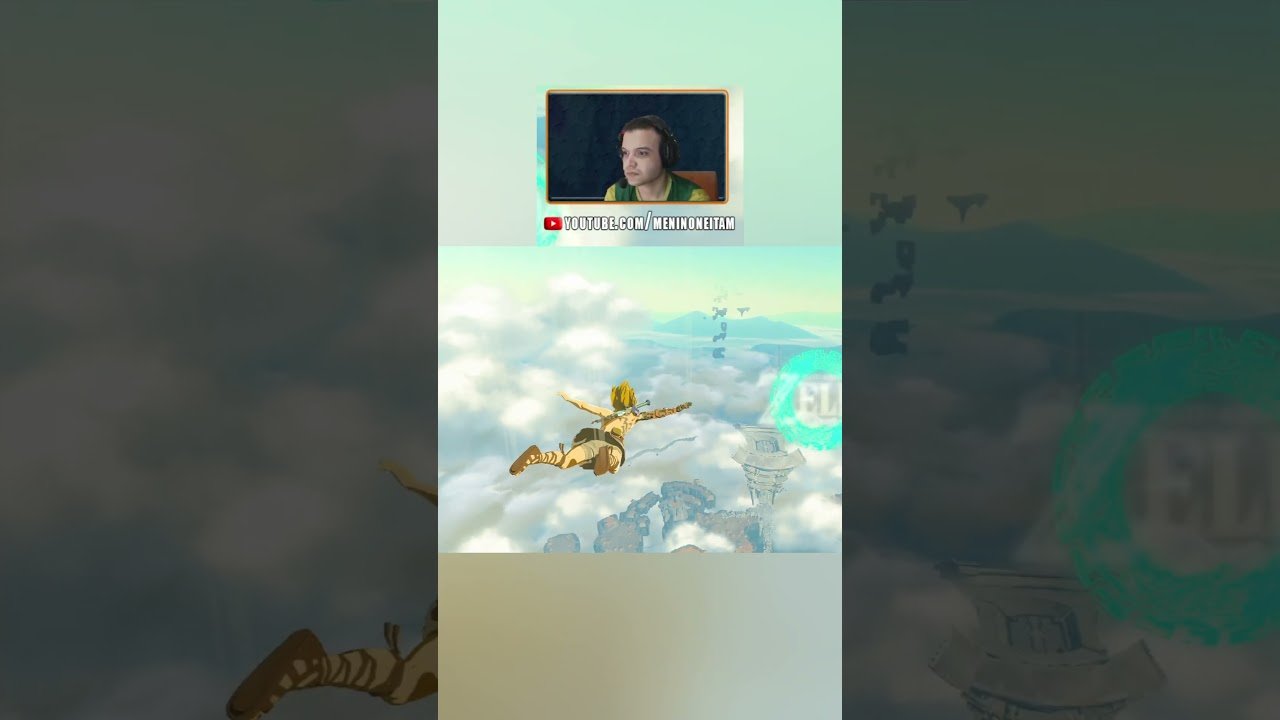 Short 1
A quick trip through the Sky Islands of Tears of the Kingdom.
Watch on YouTube →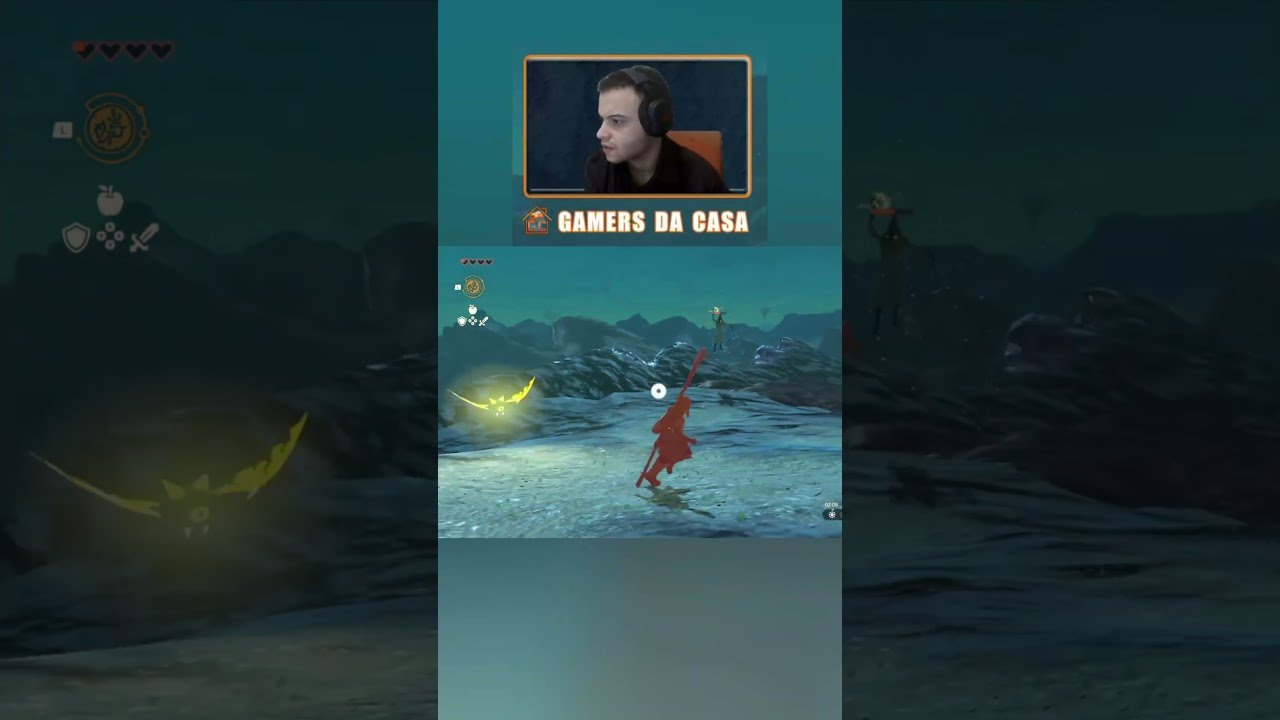 Short 2
The full journey on video
 Episode 1
 of the Tears of the Kingdom series on the channel.
Watch on YouTube → Episode 2
 Episode 3
The final score
Nintendo SwitchTears of the Kingdom has imperfections, but few experiences manage to offer such a level of freedom without collapsing under the weight of their own ideas. On Nintendo Switch, it is also an impressive showcase of design, engineering and trust in the player. One of those games where a hundred hours can seem like a lot until you realize how much is still left behind.
Nintendo Switch 2Tears of the Kingdom was already extraordinary on Nintendo Switch. On Switch 2, we finally have a version where the hardware’s limitations stop competing for attention with the game’s ideas. It’s not a remake and it didn’t need to be. It’s simply the most comfortable, beautiful and fluid way to experience one of the most ambitious adventures Nintendo has ever produced.
The Legend of Zelda: Tears of the Kingdom is a game that constantly seems to defy the very logic of development. The more time I spent experimenting with its abilities, the more I wondered how Nintendo managed to foresee so many possibilities. And the answer is probably that it didn’t foresee them all.
That’s exactly the beauty of it.
The game delivers rules consistent enough to let the player invent solutions that maybe no designer specifically planned. An absurd bridge can work. A horrible vehicle can fly. A puzzle can be solved in a completely different way from the one that seemed obvious.
At the same time, there is a huge adventure behind this playground. Hyrule is full of stories, characters, caves, temples, bosses and small secrets. The campaign has exciting moments and a much bigger scale than the previous game.
There are problems. Performance occasionally suffers, activating the allies’ abilities could be more elegant and the narrative freedom lets you find certain information out of the ideal order.
None of that came close to erasing what the game does that is extraordinary.
Tears of the Kingdom isn’t just Breath of the Wild with more stuff.
It’s the result of Nintendo looking at one of the best games it has ever made and asking how far that idea could still be taken.
The answer, apparently, was much further than I imagined.
The Legend of Zelda: Tears of the Kingdom Nintendo Switch 2 Edition doesn’t change what the game is. And that may be its greatest quality.
Nintendo didn’t need to reinvent an adventure that was already among the best titles of its generation. It needed to solve what the previous hardware simply couldn’t offer.
60 FPS make a huge difference.
The higher resolution makes Hyrule sharper.
HDR enhances an art direction that was already excellent.
Shorter loading times reduce interruptions even more.
And the hardware finally seems to have enough headroom to keep up with the insane ideas the game puts in the player’s hands.
The extra Zelda Notes features are interesting, especially build sharing, but they work as complements. The real upgrade is in how it feels to play.
And Tears of the Kingdom has never felt this good.
The experience is still gigantic, unpredictable and often absurd. You can still spend half an hour building a complicated machine only to find out that a plank placed in the right spot would have solved the same problem.
Except now that absurd machine is running at 60 frames per second.
That alone is a good win.
 Zelda: Tears of the Kingdom on Instagram
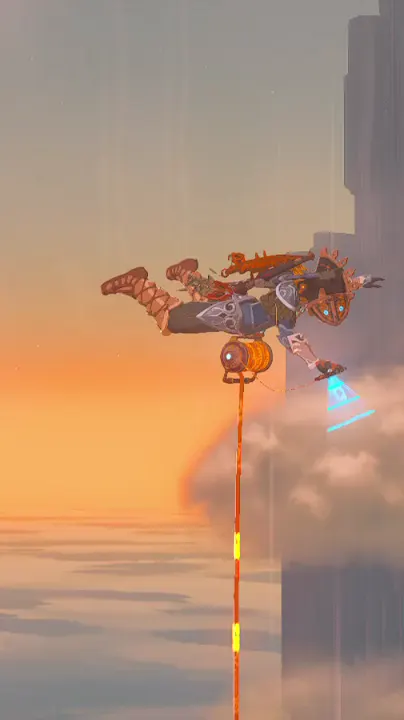 More Hyrule on Instagram
 The sky map is way too beautiful
 Electric Wizzrobe made me so mad
 The beginning of a beautiful game
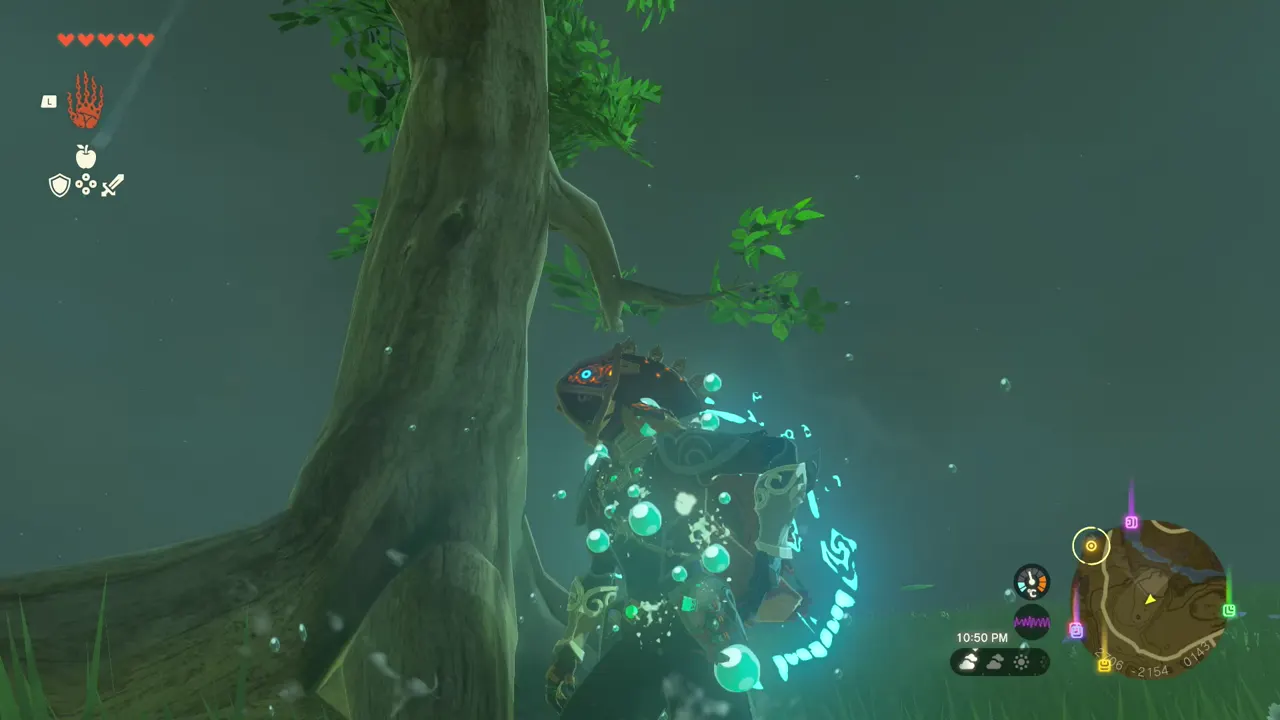 Link vs Cubic Golem
 Hyrule Castle
 Full playlist